
Triumphant Infant Jesus
Description of the work
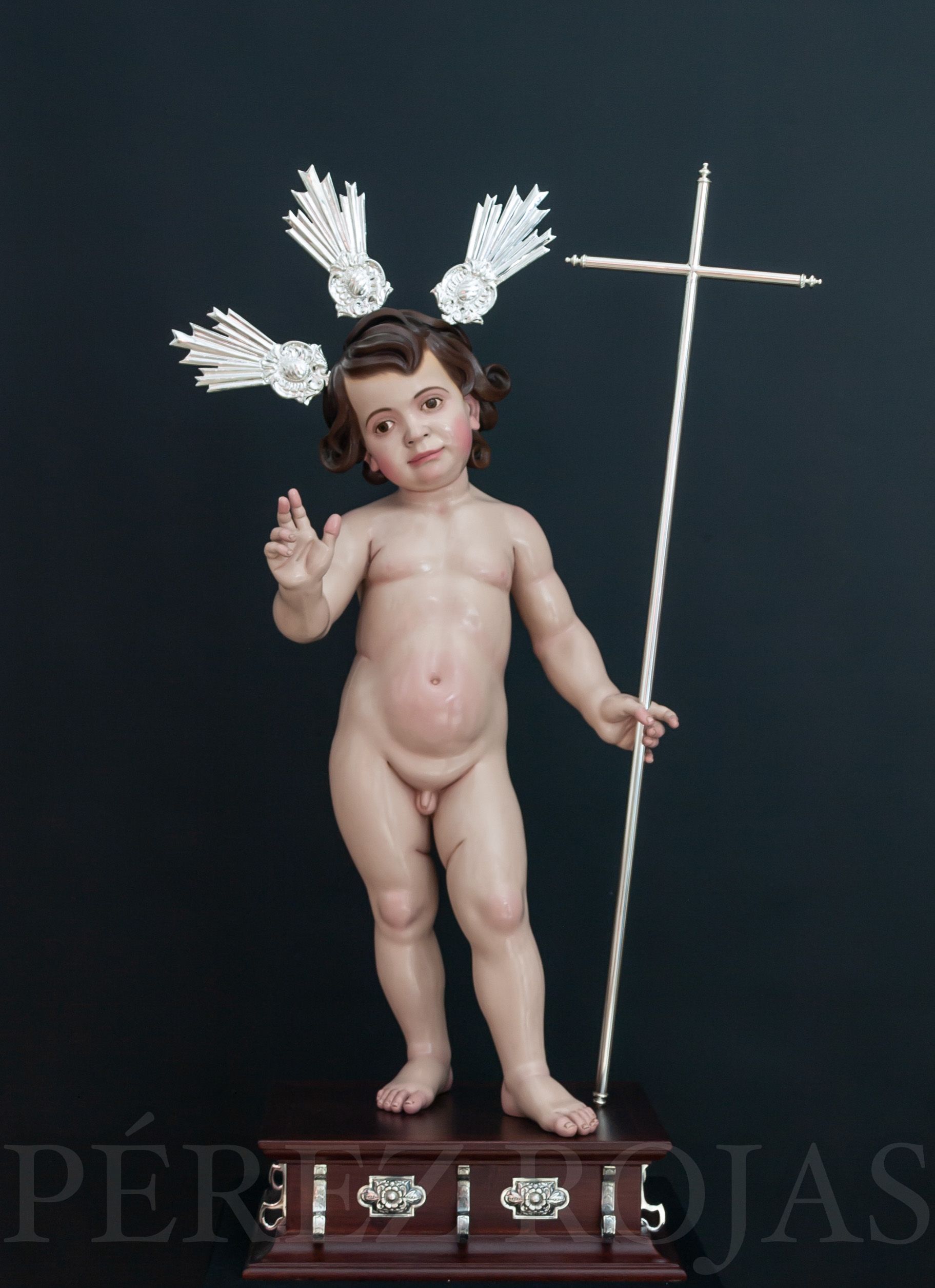
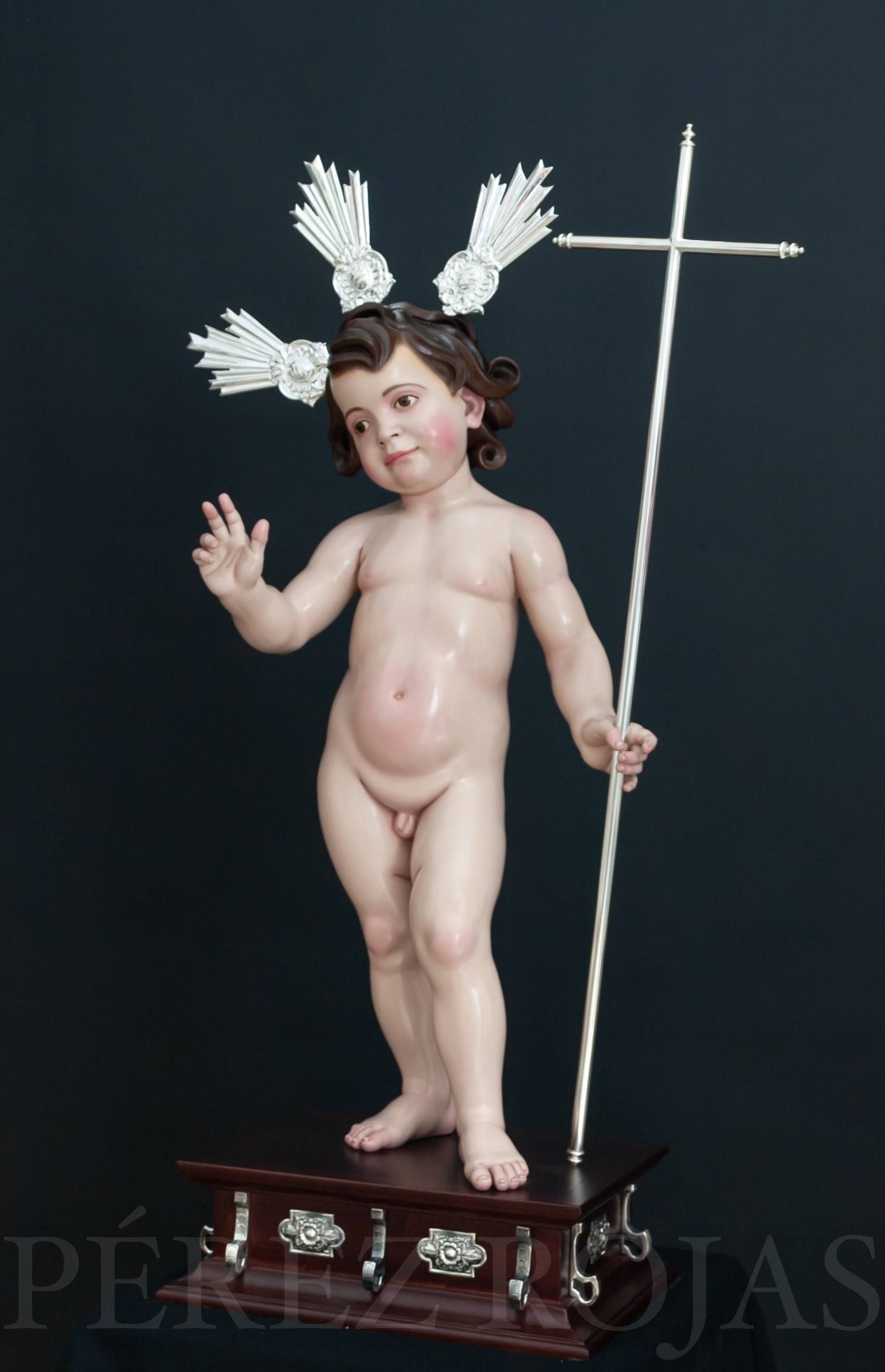
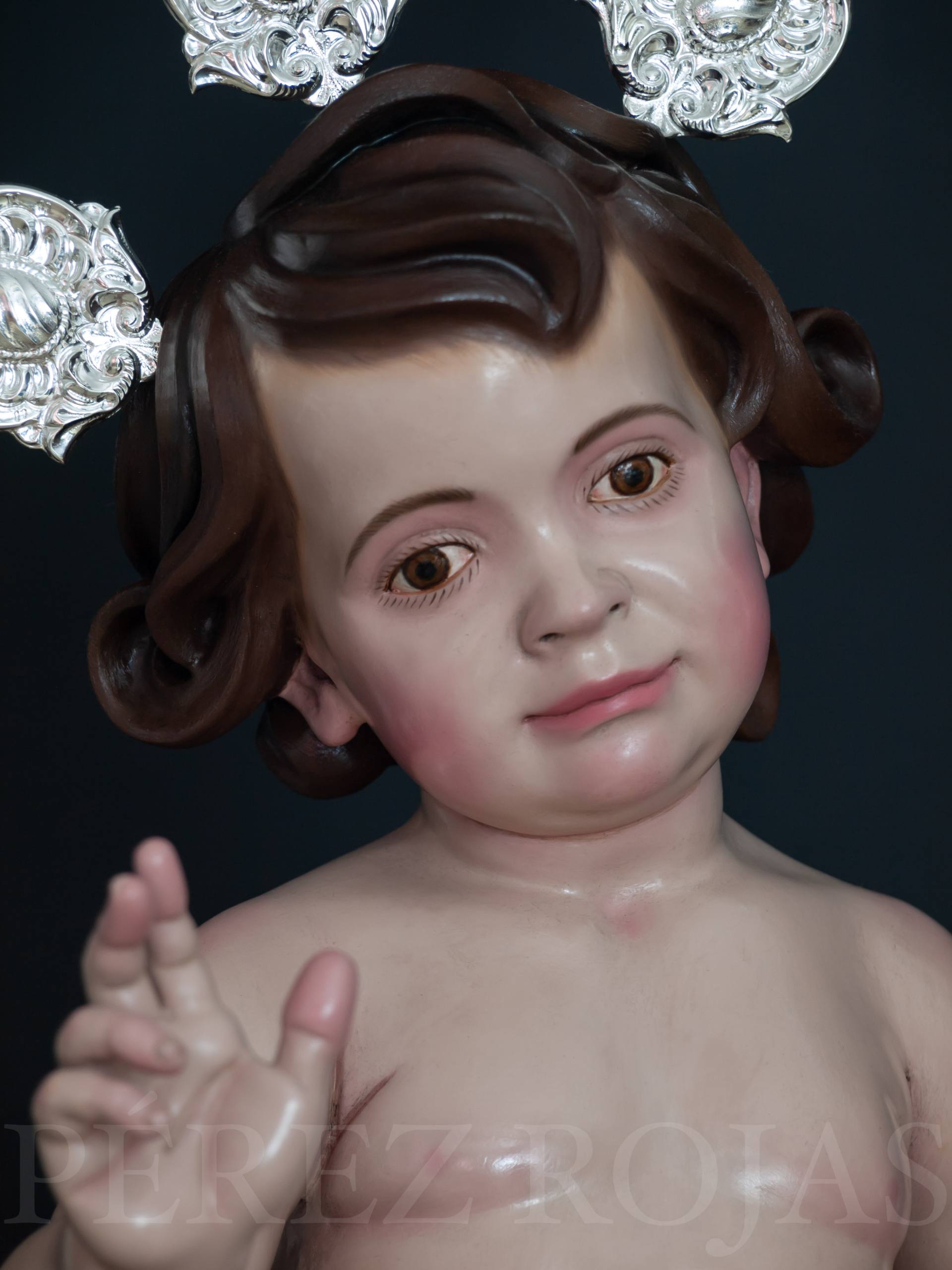
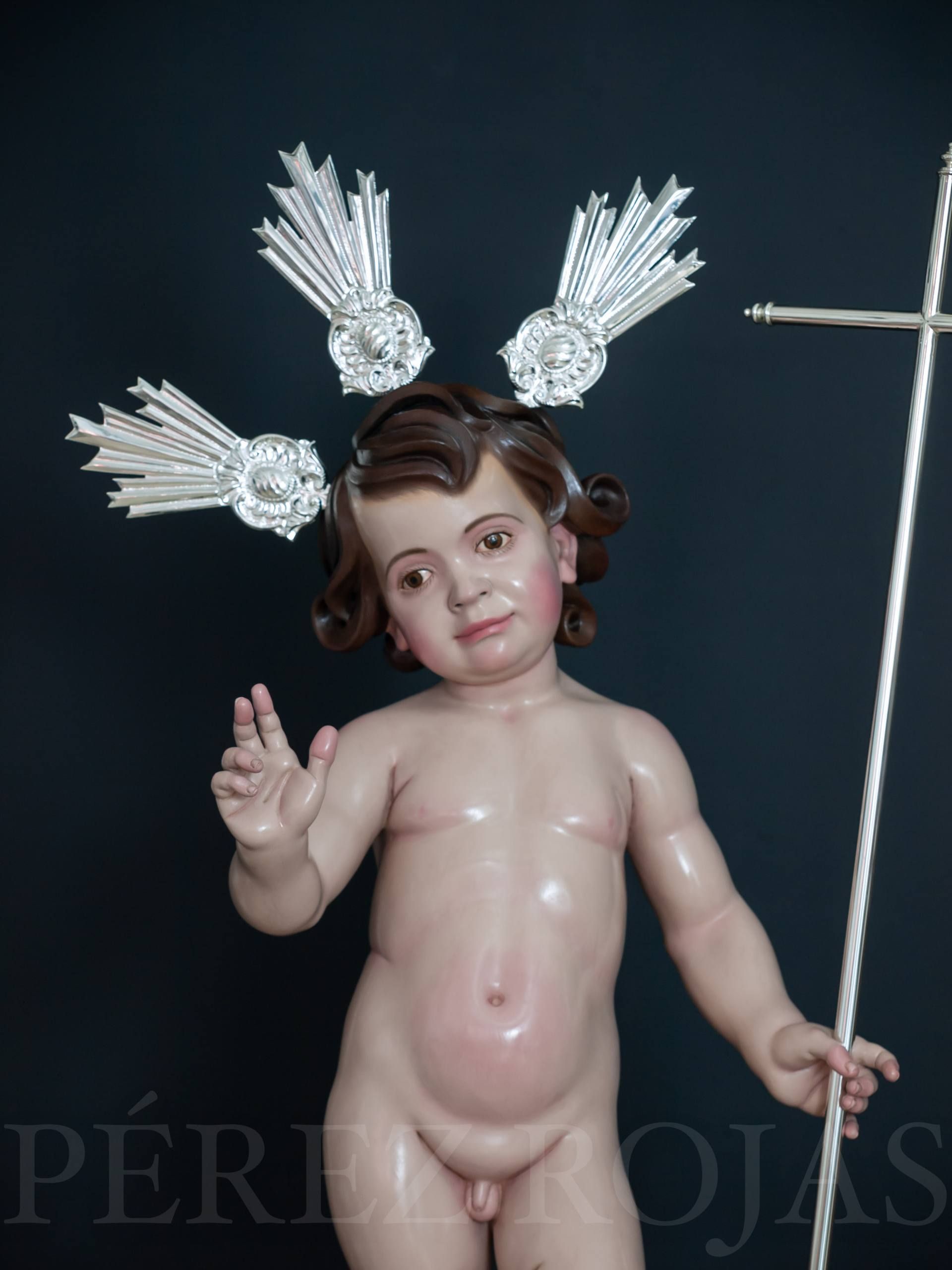
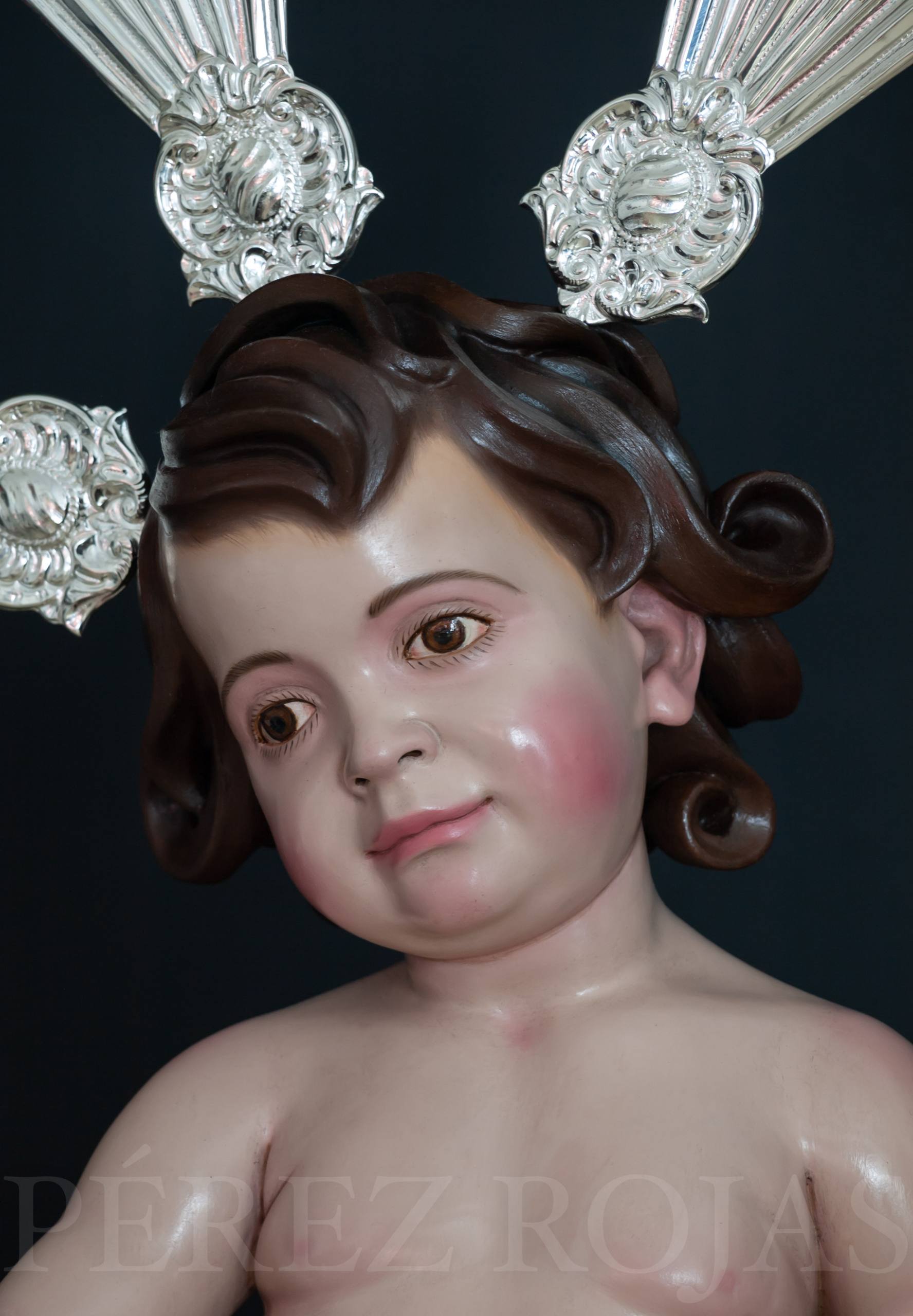
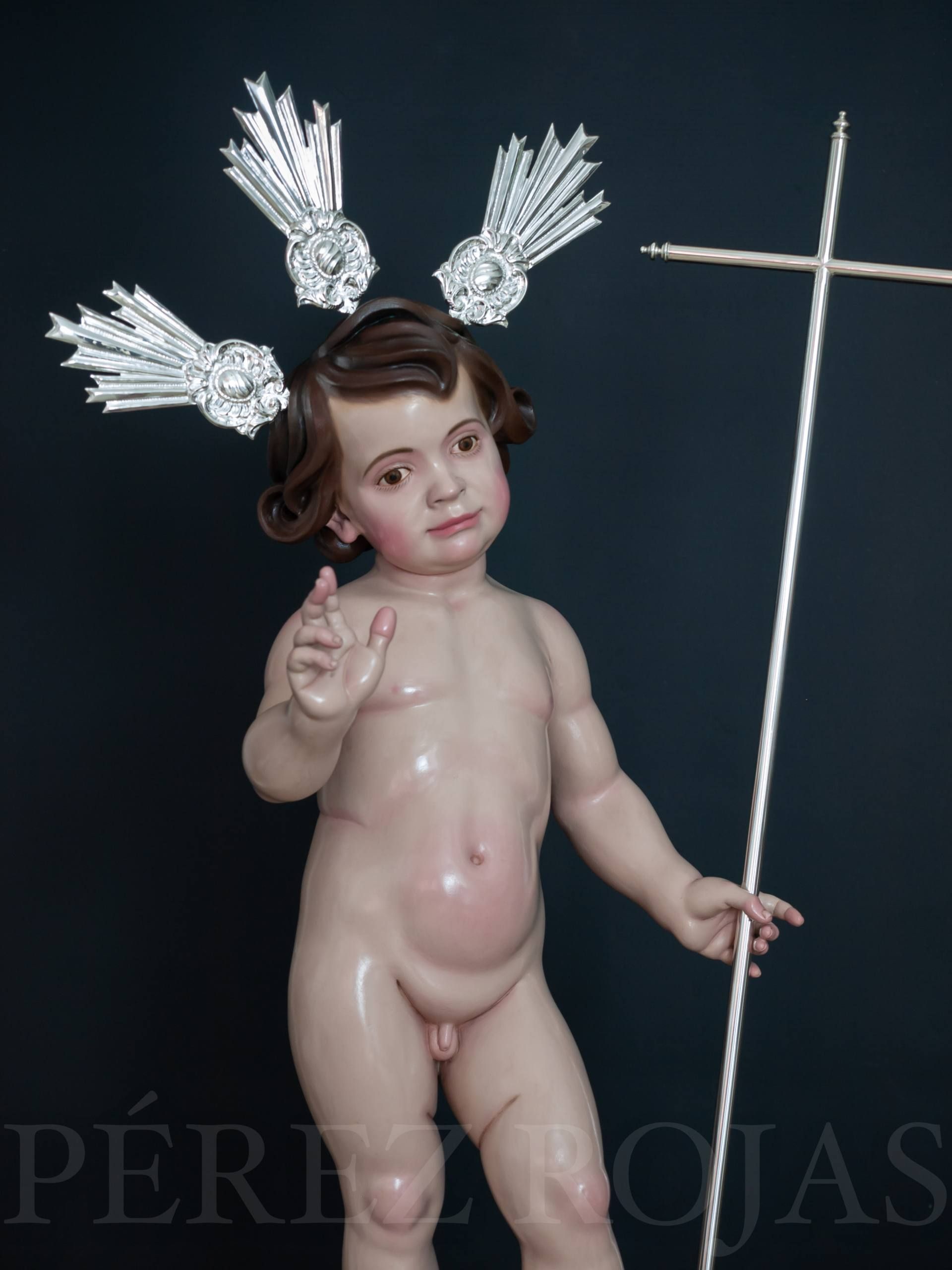
For a private collection in the town of Aracena (Huelva), the religious sculptor Juan Alberto Pérez Rojas has created a depiction of the Divine Infant inspired by the classical models of Sevillian statuary from the mid-17th century, particularly those associated with the school of the Ribas brothers.
Iconography of the Infant Jesus in Christian Art
The iconography of the Infant Jesus is one of the most significant representations in Christian religious sculpture. Since the earliest centuries of religious art, the figure of the Divine Infant has symbolized the humanity of Christ and his incarnation as the savior of the world. Traditionally depicted in the arms of the Virgin Mary or resting in the manger, the Infant Jesus has undergone a remarkable iconographic evolution throughout the history of art, adapting to the various aesthetic languages and devotional sensibilities of each era.
During the 17th century, the depiction of the triumphant Infant Jesus underwent extraordinary development within Spanish Baroque iconography. The spirituality stemming from the Council of Trent (1545–1563) fostered a more intimate and emotive conception of religious images, promoting depictions designed to inspire devotion and intimate contemplation among the faithful. In this context, artists such as Caravaggio and Bartolomé Esteban Murillo contributed decisively to consolidating a vision of the Infant Jesus characterized by gentleness, innocence, and profound humanity, without compromising the affirmation of his divine nature.
Sevillian Baroque sculpture developed this iconography in particular, creating works of extraordinary formal delicacy and technical refinement. The images of the Divine Infant produced during this period combined classical idealization with naturalism, becoming highly prized pieces for both public worship and private devotion.
In private collections, the presence of images of the Infant Jesus often reflects an intimate and contemplative sensibility, allowing the collector to form a close connection with the sculpture and the spiritual meaning it represents.
A work of contemporary religious art
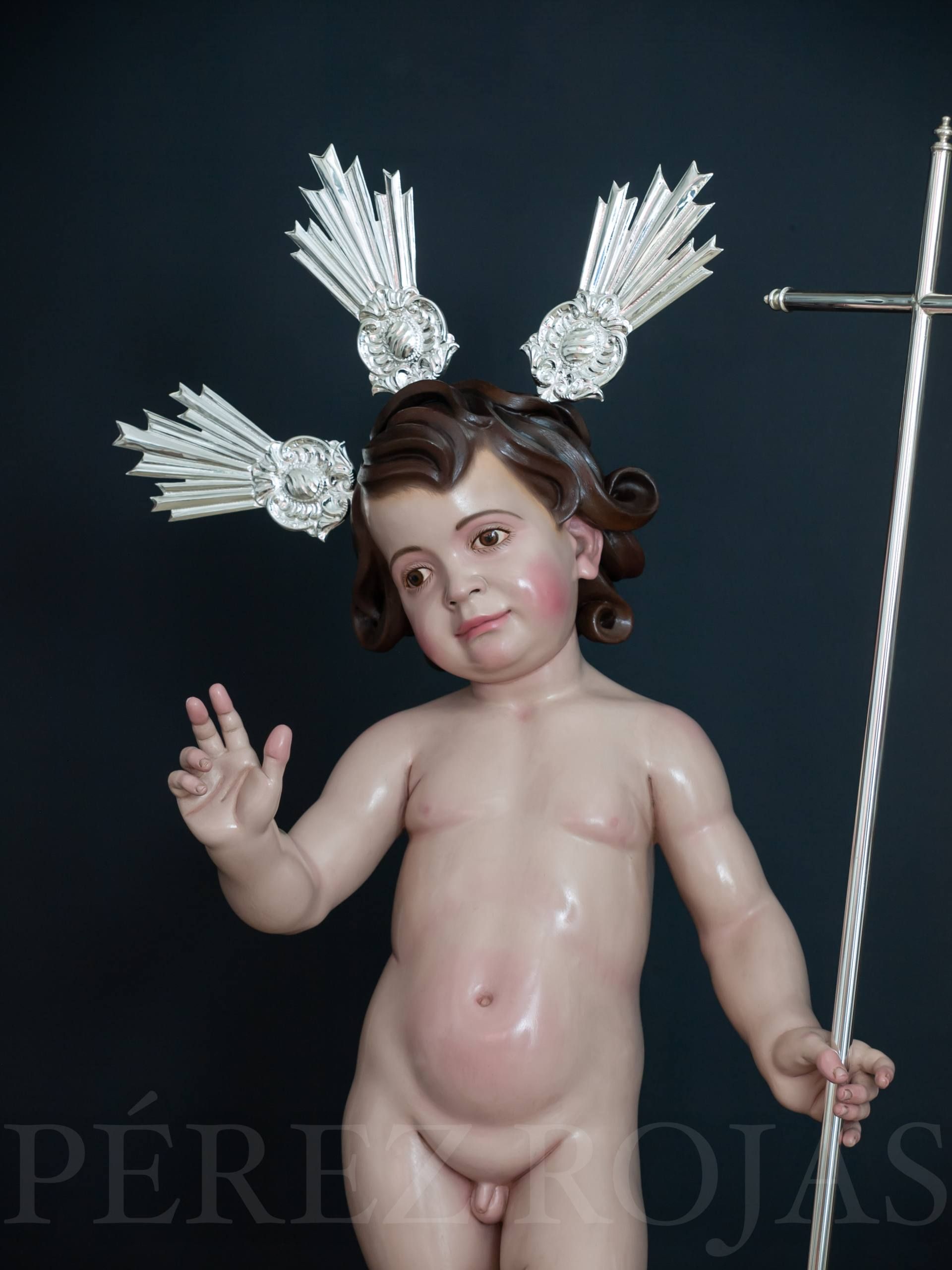
The composition is based on an elegant classical contrapposto, with the weight resting on the right leg while the left leg is gently brought forward, lending the figure a sense of naturalness and balance. The Child blesses with his right hand and holds a silver cross in his left, a foreshadowing of Christ’s Passion and redemptive sacrifice.
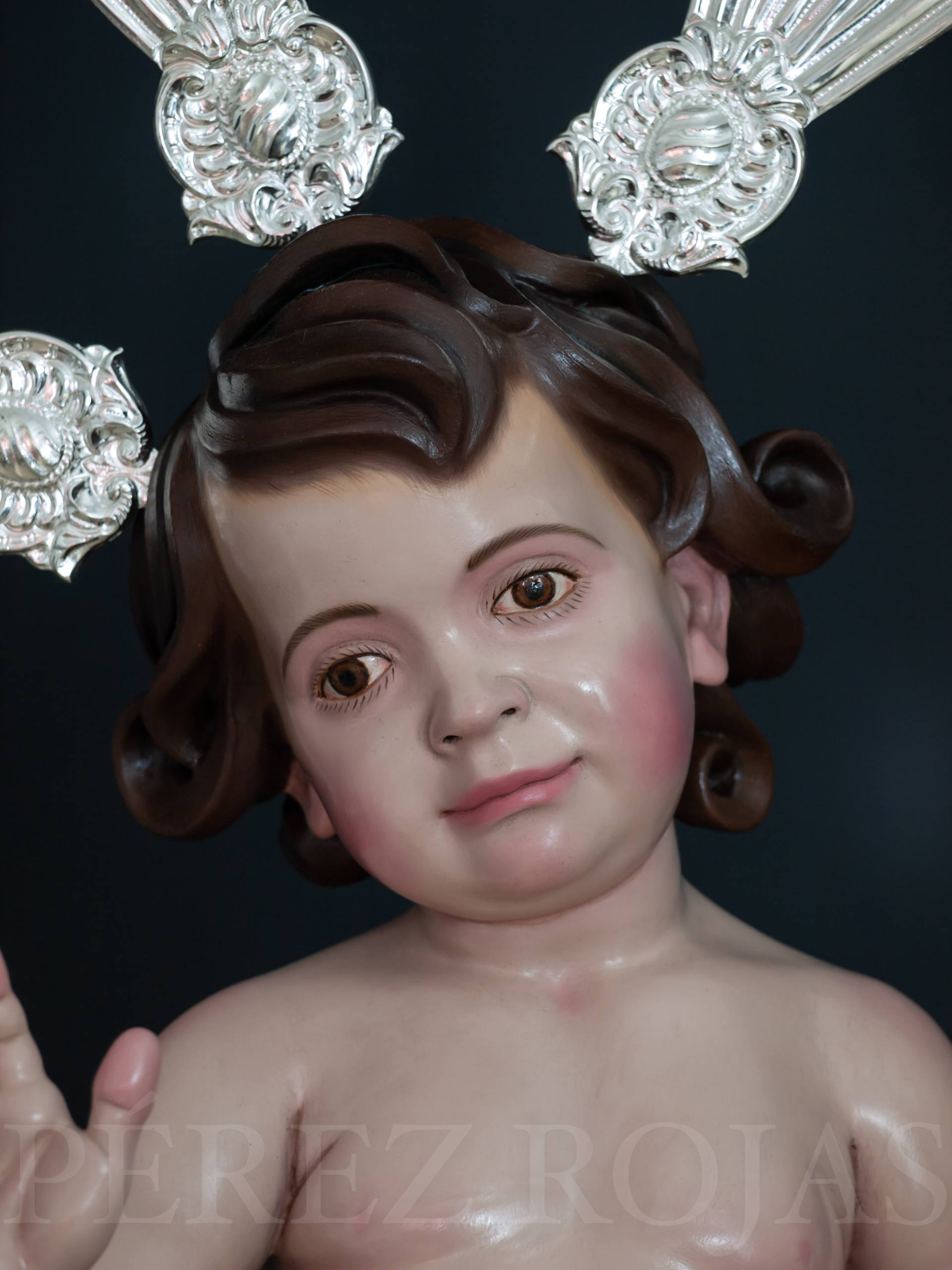
The anatomical modeling of the head reveals a meticulous naturalistic study based on observation of the live model. The hair is arranged in broad strands of striking plasticity, a common feature in the artist’s sculptural language. The polychromy features a delicate pearlescent tone enriched with soft reddish hues in the areas with greater blood flow, reinforcing the sense of life and realism.
Overall, the work displays a distinct classical style, characterized by the harmony of its proportions, the quality of its modeling, and the excellence of its polychromy. This sculpture of the Infant Jesus thus fits into the tradition of contemporary Andalusian religious art, affirming the enduring relevance of the historical models of the Sevillian school through a contemporary artistic sensibility.
También puede interesarle
Si desea conocer otra interpretación de la iconografía del Niño Jesús en la obra de Juan Alberto Pérez Rojas, le invitamos a descubrir esta escultura, concebida desde una lectura más solemne y majestuosa del misterio de la infancia de Cristo.
Baby Jesus majesty
Esta imagen del Niño Jesús, realizada en madera de cedro dorada, estofada al temple y policromada al óleo, presenta al Divino Infante sobre una nube con ángeles, bendiciendo con gesto sereno y apoyando el pie sobre el orbe. La obra une ternura infantil, sentido teológico de la realeza de Cristo y un cuidado tratamiento académico de la anatomía y la policromía.